


Ripple Effect
This is the third installment in a four-part series examining Shelby’s flood mitigation history, as well as another Ohio city’s actions to combat recurring flooding. These stories will run on consecutive days starting Jan. 29 and running through Feb. 1. Links to previous stories in this series are at the bottom of this piece.
SHELBY – John Schroeder’s memories of Shelby flooding date back to his childhood.
As dry dam talks began diminishing around 2017, citizen-led efforts to clean the Black Fork started popping up.
Schroeder, a Shelby area farmer, helped organize the “Black Fork Clean-Up Project,” a private, grassroots effort with an established goal to clean the river of its obstructions.
Businesses and residents around the Shelby area contributed more than $300,000 towards the effort aimed at preventing flooding from continuing to damage buildings, homes and fields.
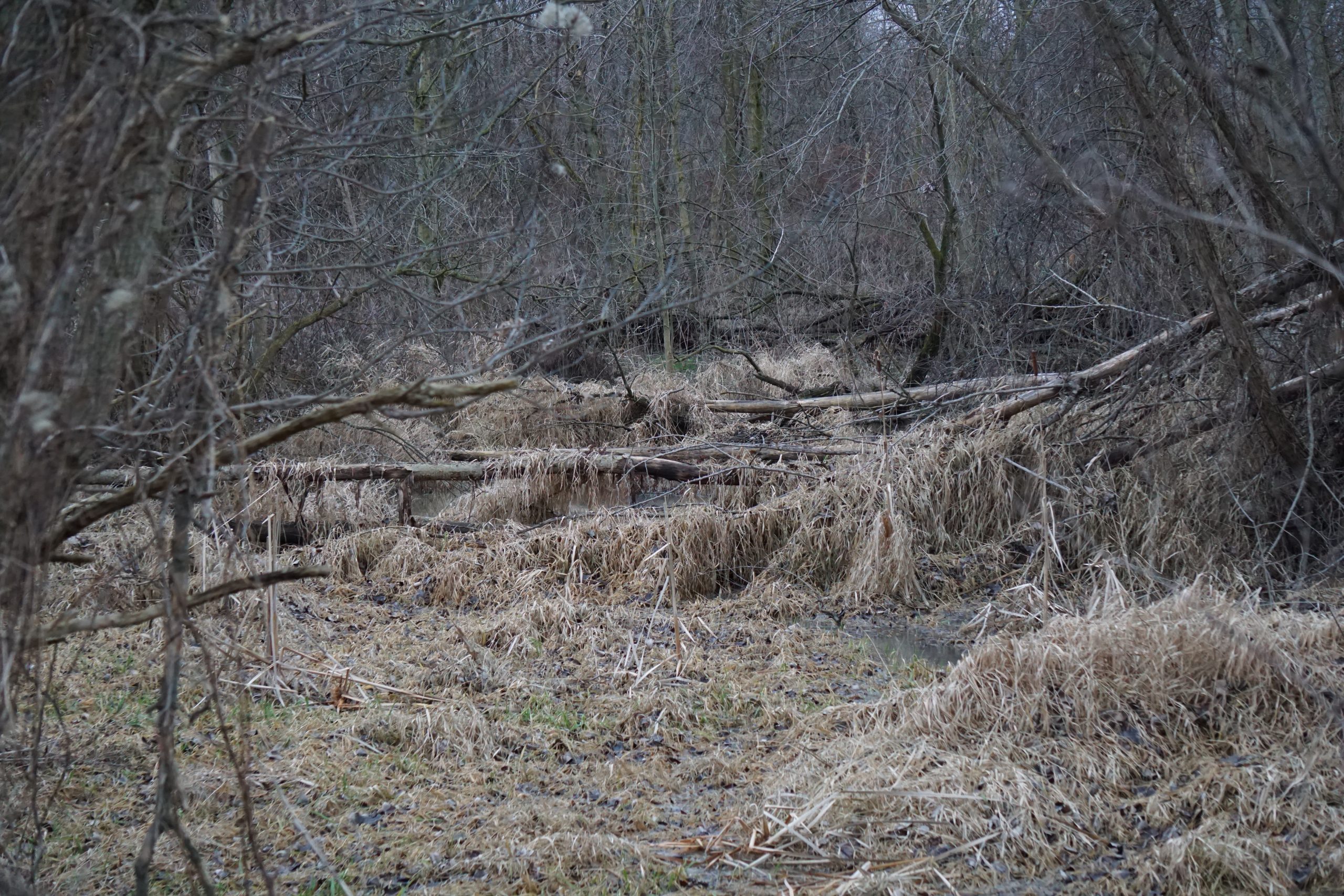
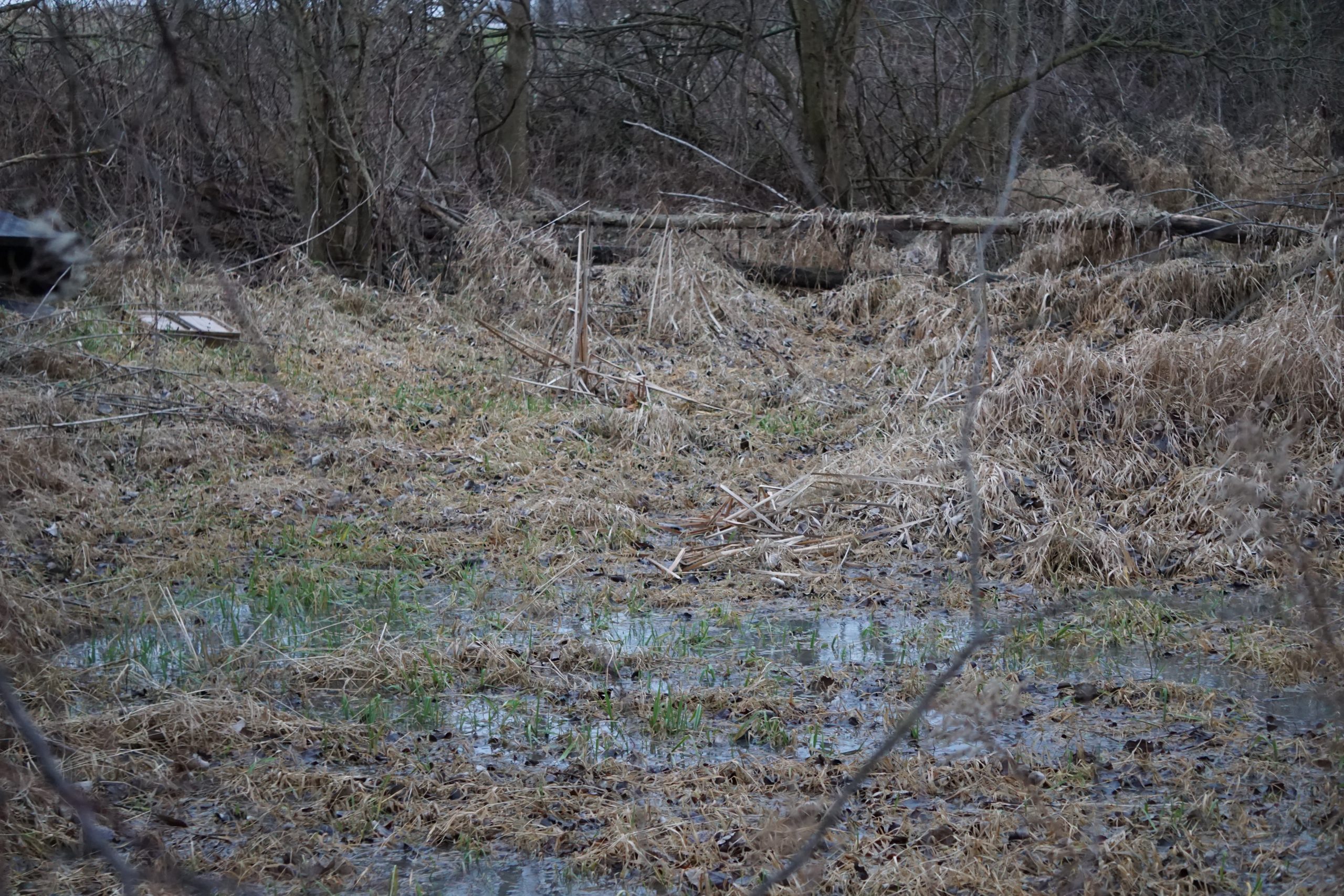
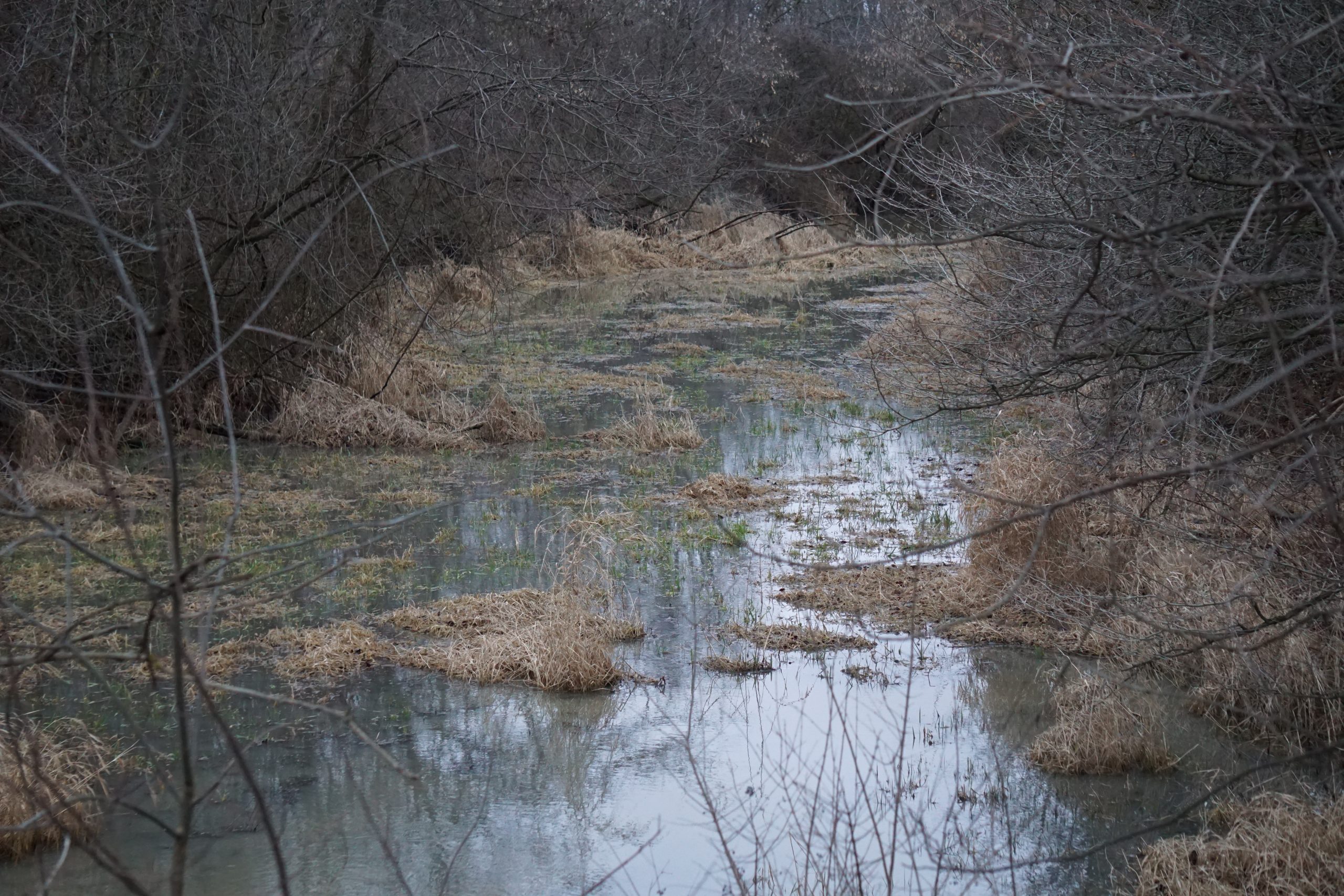
Schroeder said his son and a friend kayaked the Black Fork from State Street to State Route 13. Using a GoPro camera and GPS device, the pair documented 432 restrictions.
After reviewing the GoPro footage, Schroeder decided to call Chris Roof, owner of Tawa Tree and Lawn Care services.
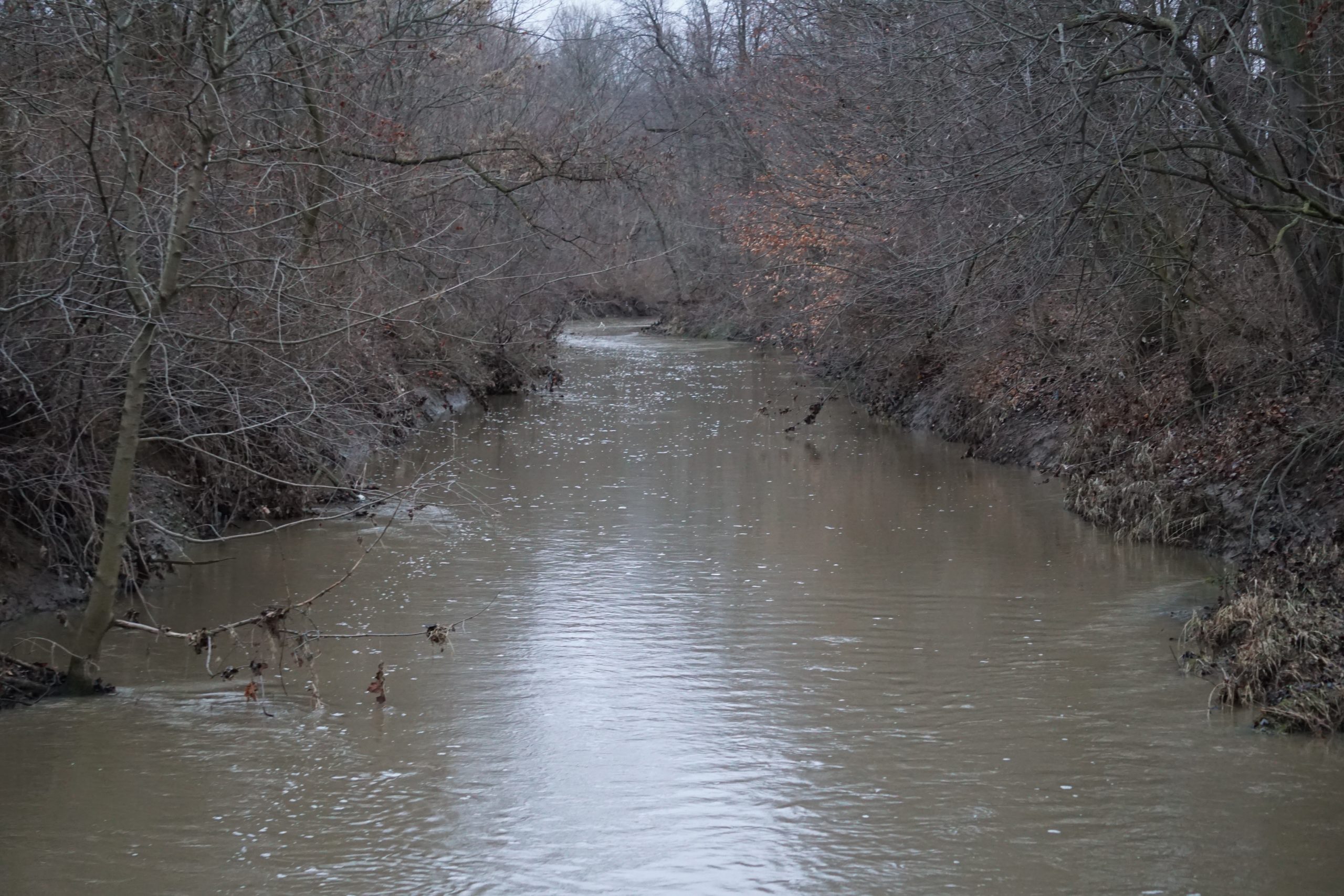
Seven year, two-phase ‘Black Fork Clean-Up Project’ launches
The Ottawa, Ohio-based company was hired in 2017 to remove hundreds of trees from a 16-mile portion of the river.
Landowners in the areas where Tawa needed river access were supportive of the clean up effort, Schroeder said.
“We had 100-percent participation from all the landowners,” he said. “Everybody had to sign a paper saying that Tawa could come in, access the property and clear the river of any debris.”
Schroeder said people in the community understood the need for action.
“I mean, I was just one cog in the whole thing,” he said.
“To get a 100-percent participation from the landowners, I was proud of that and I was proud of the community, how they stepped up and financed it.”
The two-phase, seven year clean up process cleared 18 miles of the Black Fork. Phase one, completed by Tawa, cleared 16 miles from State Street to State Route 13.
Phase two, which cleaned slightly more than two miles from State Street to Mickey Road, was completed in November 2023 by Daniel’s Tree Service, a Mansfield-based tree cutting service.

Cleaning the Black Fork requires ‘ongoing maintenance’
Erica Thomas, Richland Soil and Water Conservation District director, said it was important to clear the obstructions in order to prevent the river from backing up.
“Water is going to still go around, even if there’s obstructions,” she said. “It’s just going to work its way around it and erode into the bank and undercut the trees.”
Cleaning completed over the past seven years has helped prevent the likelihood of significant flooding.
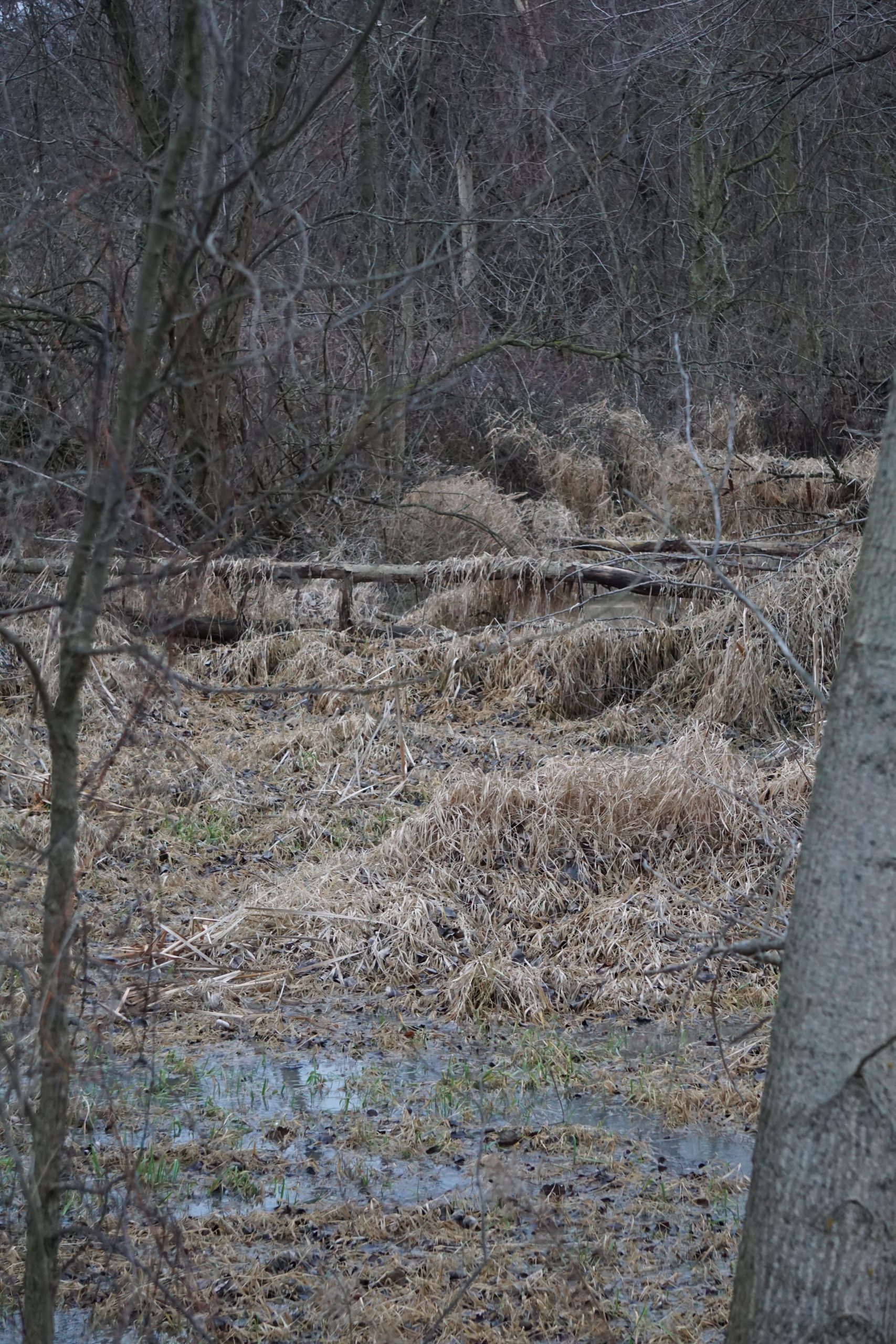
However, both Schroeder and Thomas explained how this mitigation method must be performed annually for optimal effectiveness.
“You don’t just clean it once and then it’s forever clean,” Thomas said. “There’s always going to be trees falling in and debris and stuff that needs removed.”
‘A whole bunch of little things’
A successful ditch petition tops Schroeder’s wishlist, but a number of other mitigation methods are often on his mind.
“It’s a whole bunch of little things that will help prevent the flooding in Shelby,” he said.
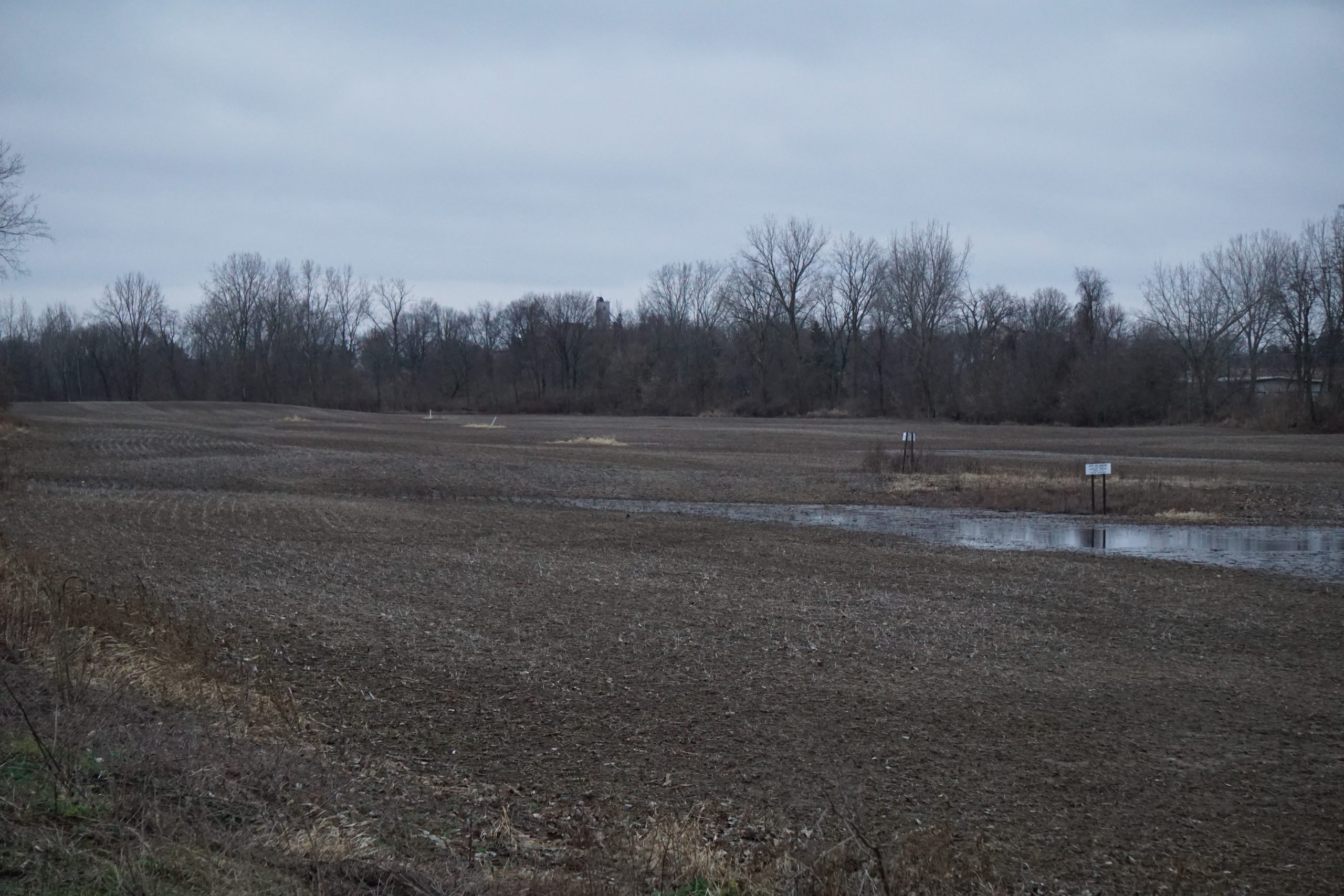
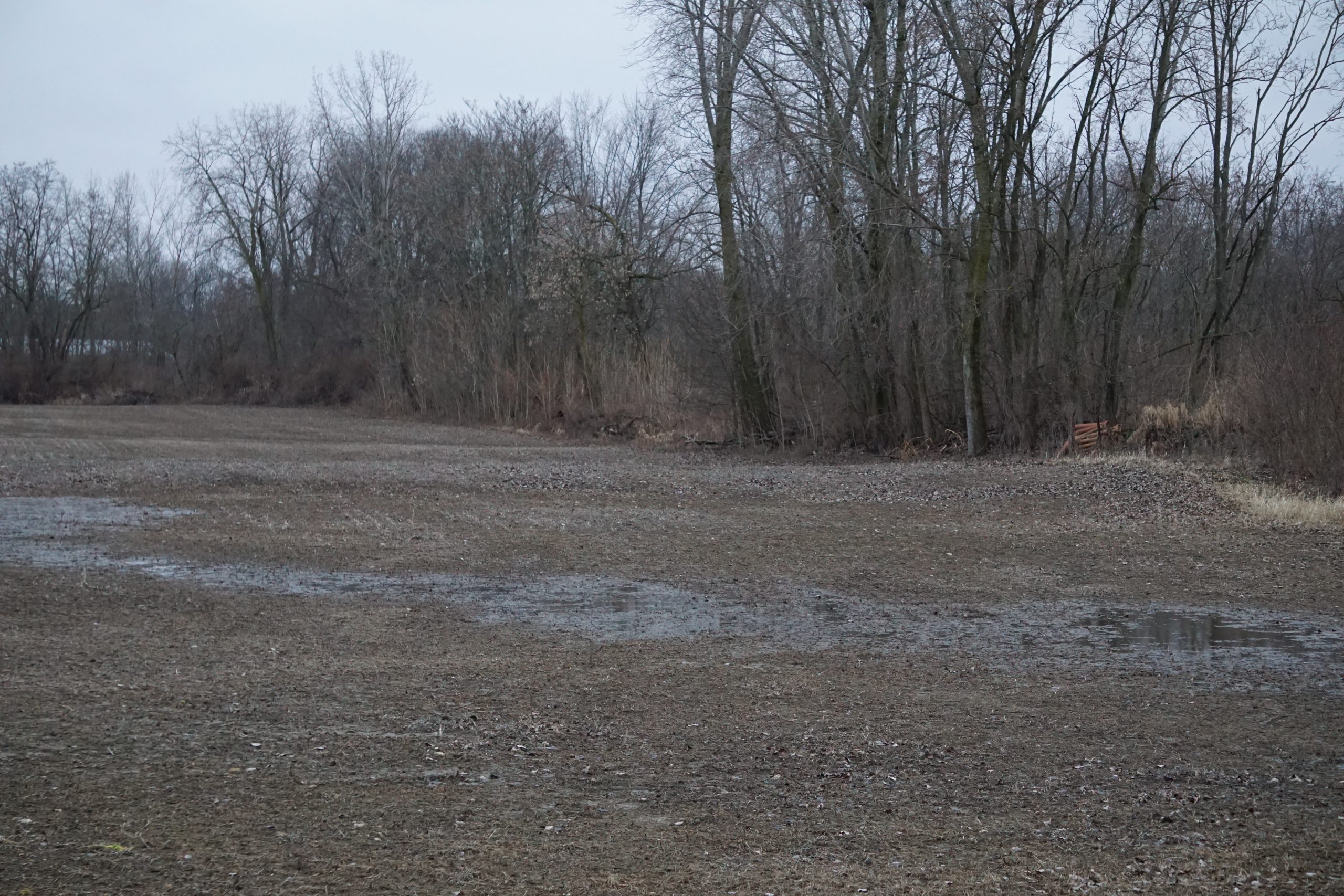
Schroeder said there are several areas of land which could potentially be used as retention areas.
“There’s a lot of really good properties that we could divert water (to) in a high flow situation,” he said, “instead of using people’s businesses and homes as retention areas.”
Revitalizing the original path of the Black Fork and cleaning the river from State Route 13 to Charles Mill Lake are other efforts Schroeder said he’d like to see explored.
Coming next:
The final installment of Ripple Effect will feature how congressional efforts aided Shelby and Toledo with flood prevention. Additionally, the story will explain how accountability and shared goals between city officials and residents must be present in efforts to mitigate flooding. Part 4 will be published Thursday, Feb. 1.

