


Ripple Effect
This is the second installment in a four-part series examining Shelby’s flood mitigation history, as well as another Ohio city’s actions to combat recurring flooding. These stories will run on consecutive days starting Jan. 29 and running through Feb. 1. Links to previous stories in this series are at the bottom of this piece.
SHELBY – Representatives from Shelby and Richland County explored solutions to mitigate flooding for more than a decade, but not without frustration from the affected community.
In 2011, Shelby and Richland County representatives, as well as the Shelby Floodplain Management Commission, asked the Muskingum Watershed Conservancy District to reactivate the Black Fork Subdistrict and develop a multi-jurisdictional flood damage reduction plan.
However, MWCD’s involvement was sought as early as 2009, during current state Rep. Marilyn John’s mayoral campaign for the city of Shelby.
Strong opinions were voiced by residents and city officials throughout Shelby’s work with MWCD, which is a time John said she’d prefer not to revisit.
“Finding ways to live with the Black Fork (and) exist together, the good, bad and otherwise, that’s what I tried to do as a mayor,” she said.
According to previous Richland Source reporting, John recalled the pressure to find a solution to the city’s flooding problem during a Shelby City Council meeting in December 2018.
“There was a public outcry and demand to fix the flood problem,” said John in 2018. “Everywhere I went and every group to whom I spoke demanded something be done.”
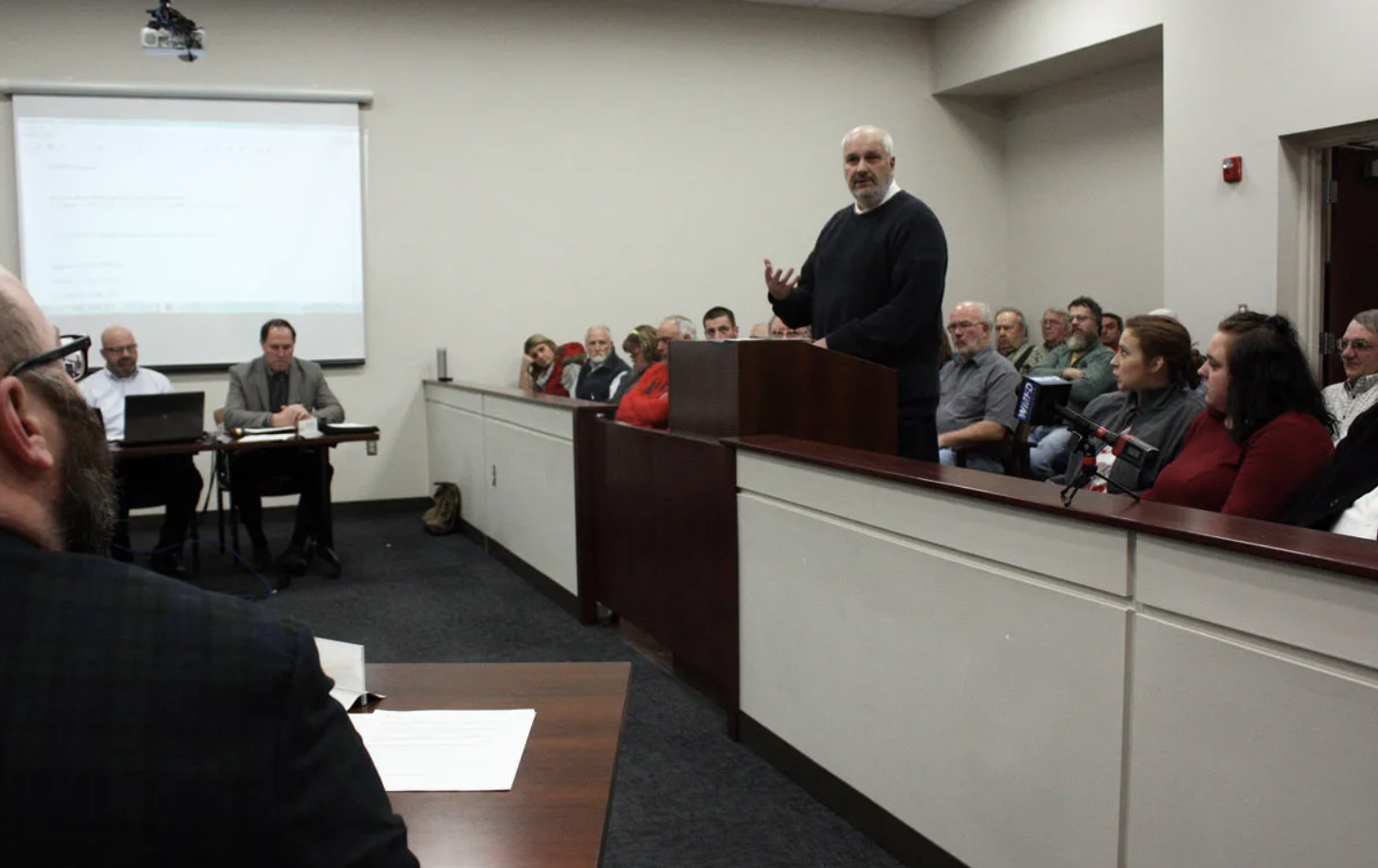
MWCD met with pushback from subdistrict property owners
In 2017, MWCD proposed three scenarios to address the city’s history of flooding, all of which included dry dams, officially known as regional detention basins.
Suggested plans were met with pushback from residents and property owners within the subdistrict — so much so that a “Stop the Shelby Dams” Facebook campaign was launched in April 2017.
Joe Gies, Shelby project coordinator, said a lot of controversy was due to the land acquisition dry dams would’ve required.
“It’s a tough thing because everyone has their own interests,” he said. “For farmers, obviously that’s (farmland) their livelihood. That’s their land.”
The following year, Shelby Mayor Steve Schag said MWCD saw “little or no reason to invest their energies any longer in a flood mitigation strategy that includes retention basins.”
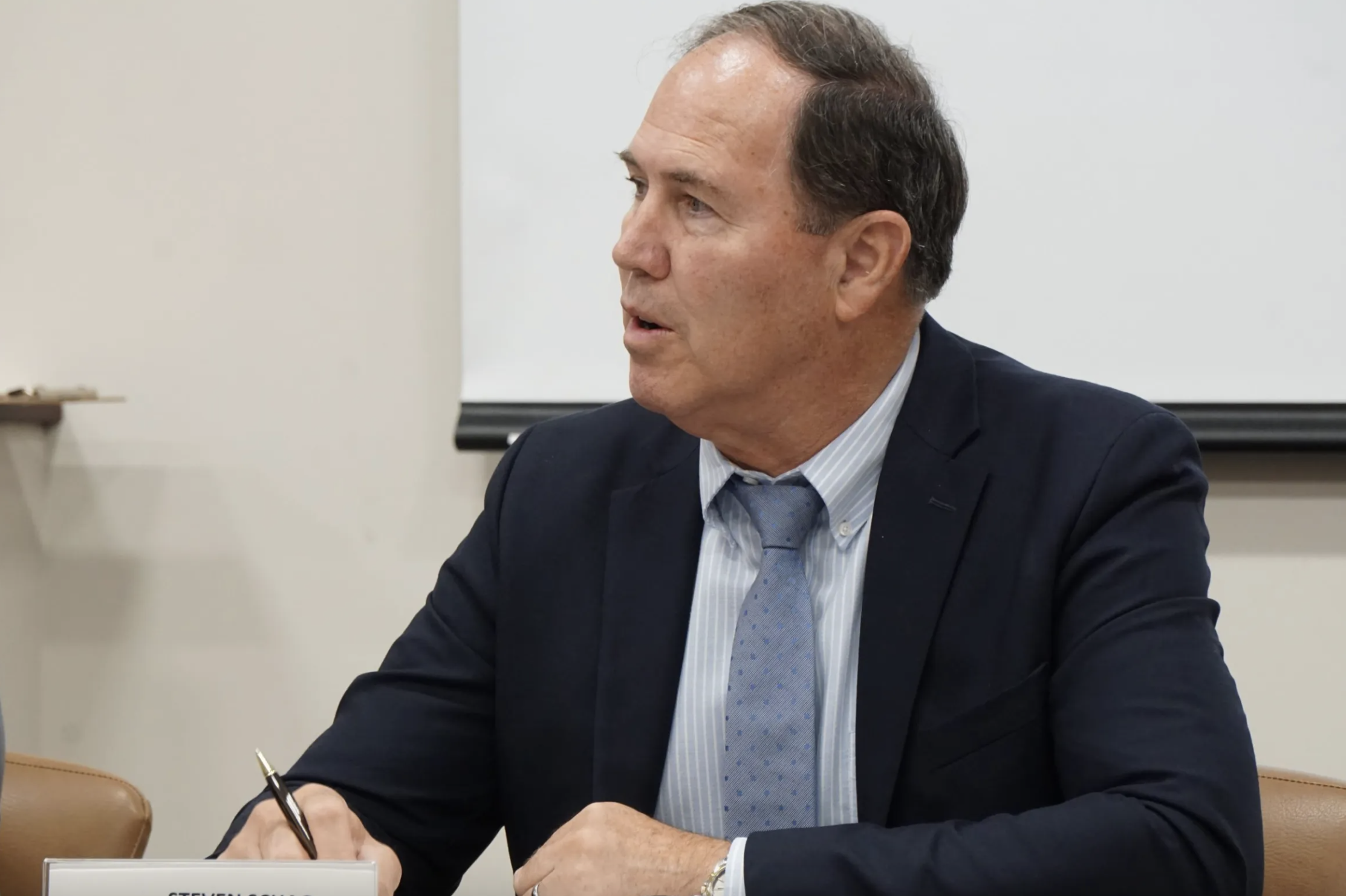
John delivered a message before Shelby councilmembers on June 4, 2018, explaining that despite a rift between MWCD and community residents, the problem must still be addressed.
“Whether you agree with the project or not, whether you agree with the dry dams or not, I hope we have not reached a point where flooding of businesses and residences is OK,” John said in 2018.
In July 2018, Shelby City Council rejected a resolution which would’ve symbolically directed MWCD to discontinue the city’s proposed flood reduction project.
However, in 2018, Schag said MWCD had already closed the door on Shelby flood mitigation proposals; ending an investment which included thousands of hours of work and $1.5 million spent on finding a solution for the city.
MWCD brings Shelby efforts to an end after nearly a decade
Gies reflected on the experience with MWCD and said he wasn’t sure the proposals were “rolled out the right way.”
“There was a lot of misinformation, so there was really a big opposition,” he said. “So, it got shut down. We never did get to hear what the final cost would be or anything like that.”
Gies said he understood why residents fought the MWCD’s proposal of dry dams.
“It’s a very controversial subject,” he said. “You’re dealing with taking people’s land and that’s always going to be controversial.”
Finding a way for community residents and city officials to see eye-to-eye on possible mitigation methods moving forward is something Gies said will be easier said than done.
“I just don’t know,” he admitted. “Just like anything else, you just have meetings, discuss and go from there. That’s a tough one.”
Shelby Mayor files Black Fork Ditch petition
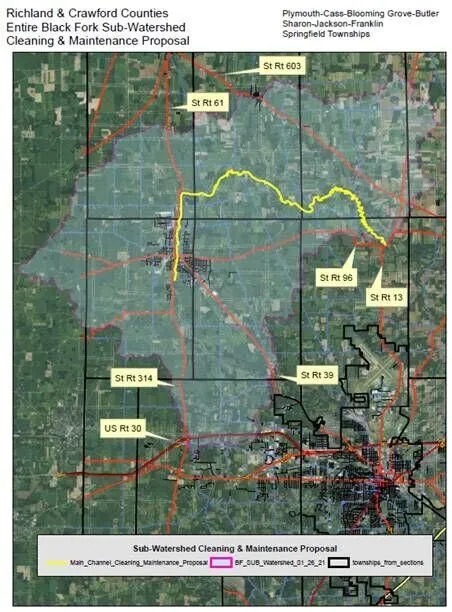
In 2021, Schag and other residents filed a joint ditch petition between Richland and Crawford counties.
The petition, filed with Richland County commissioners, asked the river be cleaned and maintained annually by removing felled trees, leaning trees, log jams and debris piles.
During an August 2021 public hearing, Richland County Engineer Adam Gove estimated the clean-up project itself would cost $664,300, a one-time charge.

Gove said the project would deliver an annual economic benefit of $423,700, mostly through improved crop production in fields affected by flooding.
In September 2022, the Ohio Department of Natural Resources denied the petition and issued a list of recommendations in light of the project’s large scope of work.
The agency also recommended scaling back the project to only include the most significant log jams causing “the most serious flooding problems.”
Recommendations from ODNR and other state agencies continued to slow the petition process throughout the next year, which was ultimately shutdown this past July.
‘We’ll try to open another door,’ says Shelby mayor
Attorney Jon Burton, commissioners’ legal counsel, identified flaws within the project’s procedures, ending joint ditch petition conversations and two years of work from those involved.
Schag admitted having legal advice on the front-end of the process would’ve been “most beneficial.”
“That (joint ditch petition) was a pretty aggressive project,” he said. “If one avenue fails and if one door closes, we’ll try to open another door.”
In August, the Richland Soil and Water Conservation District board of supervisors hosted representatives from ODNR and the Ohio Environmental Protection Agency to seek input and direction in regards to crafting a future, revised petition.
Schag said alternative approaches, as well as a revised ditch petition, are all on the table as city officials continue to seek an achievable solution.
“You have to step back, get a deep breath and say, ‘What can we do? What’s a better approach to this?’” he said.
“Maybe there are ways of pairing it down to something more like bite-size pieces, that can accomplish the same thing.”
Revised petition in the works
Erica Thomas, RSWCD director, said a revised ditch petition is currently being worked on and will include more detailed wording, regarding proposed plans, than the original.
“The (original) language and the scope was pretty broad, being the first time that anyone in this county has filed a petition like that,” she said.
“I know they’re (petitioners) narrowing the scope this time to make it very clear there is not going to be any equipment in the water. It’s just reaching down from the banks, grabbing the logs and getting them out of the water.”
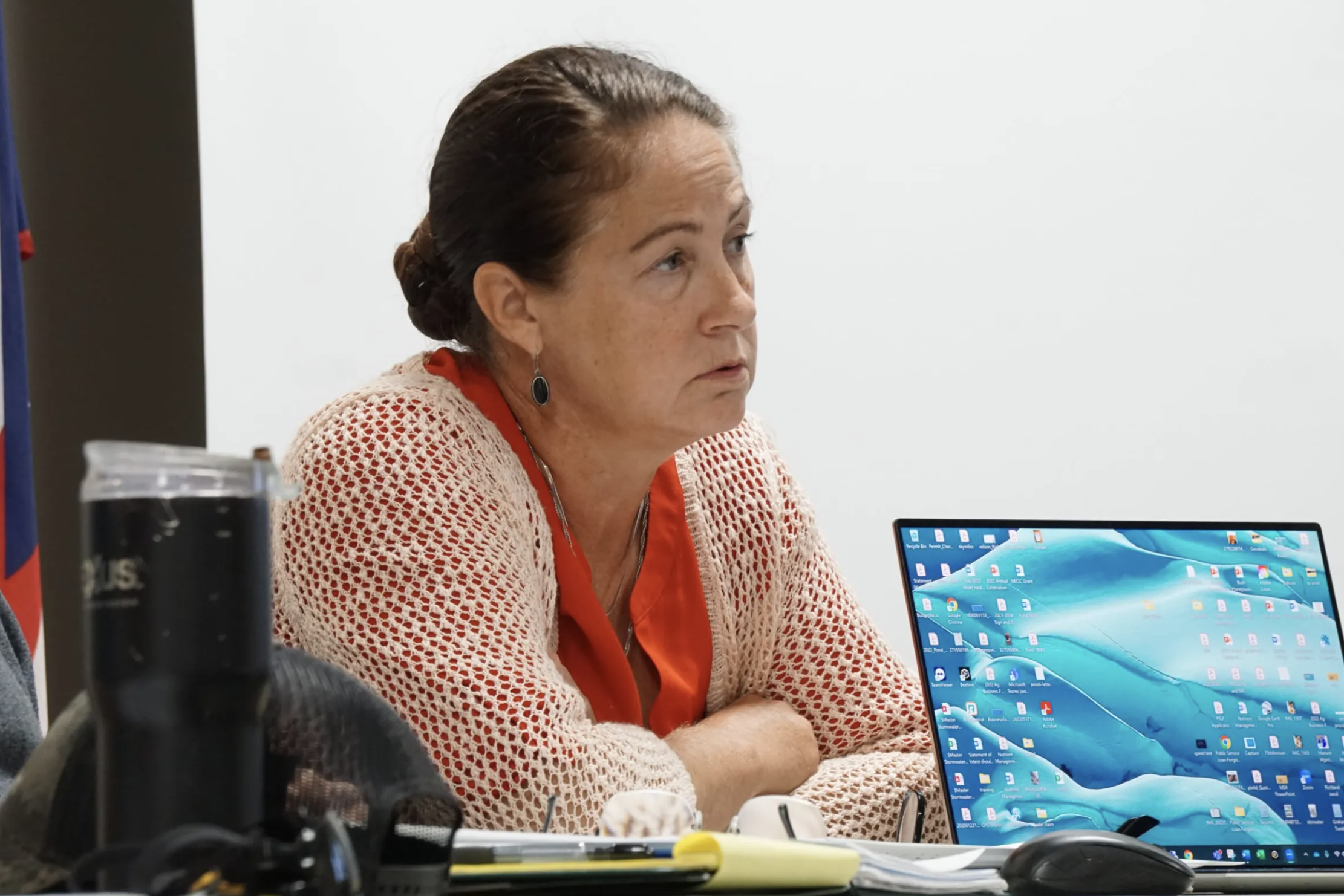
Revised language will also state that no equipment will be used on designated wetland areas to access the river, she said.
In order for a revised petition to be considered, petitioners will first have to secure enough funding to refile.
Thomas said members of the Richland County Foundation were invited to a RSWCD public board meeting in January.
One board member asked the foundation if they’d be willing to help financially, she said.
“New updates were made to the Ohio Revised Code, under that 6131 chapter, that now increased the bond significantly from when it was the first time,” she said. “So I understand that’s the hold up right now.”
Thomas added that no commitments were made during the discussion.
Coming next:
The third installment of Ripple Effect will feature details regarding the “Black Fork Clean-Up Project,” a citizen-led, grassroots effort with an established goal to clean the river of its obstructions. Part 3 will be published Wednesday, Jan. 31.

