


MANSFIELD — Apparently the proposed change in the City of Mansfield’s investment policy was too good to wait.
Local lawmakers were not scheduled to vote until March 20 on a proposal that new Finance Director Kelly Blankenship said would allow the city’s money to make more money.
“This will open up more opportunities for us to purchase instruments with higher yields and release some of the investments we’re holding that have really low yields right now,” she said.
“So basically what we want to do is make sure that the money that we have is making the most money that it can, while we have it,” said Blankenship, who took office five weeks ago.
Often, these are shorter-term investments in private companies, likely no longer than 270 days, that pay a higher rate of interest then low-yield treasury bonds and other longer-term investments, Blankenship said.
“Right now, that is costing us money in this economy with interest rates what they are,” said Blankenship.
City Council seemingly loved the idea and voted 6-0 on Tuesday to implement the new policy immediately. At-large Councilman David Falquette and 1st Ward Councilwoman Laura Burns were absent from the session.
Though Falquette was absent, an email on Friday from Blankenship to council members with detailed answers to his questions about the change was sufficient.
“I think Director Blankenship gave a very detailed response to the email that Councilman Falquette sent over to her with questions. I think that as this new administration comes in and they’re trying to get things done (that) timeliness is important,” At-large Councilwoman Stephanie Zader said before making a motion to advance the legislation to a vote.
Blankenship had arranged for Scott Gruber, director of advisory services from Meeder Investment, to attend the meeting to discuss the changes that would bring the city’s investment policy more in line with Ohio’s rules, including the ability to put up to 40 percent of the city’s investments in “commercial paper.”
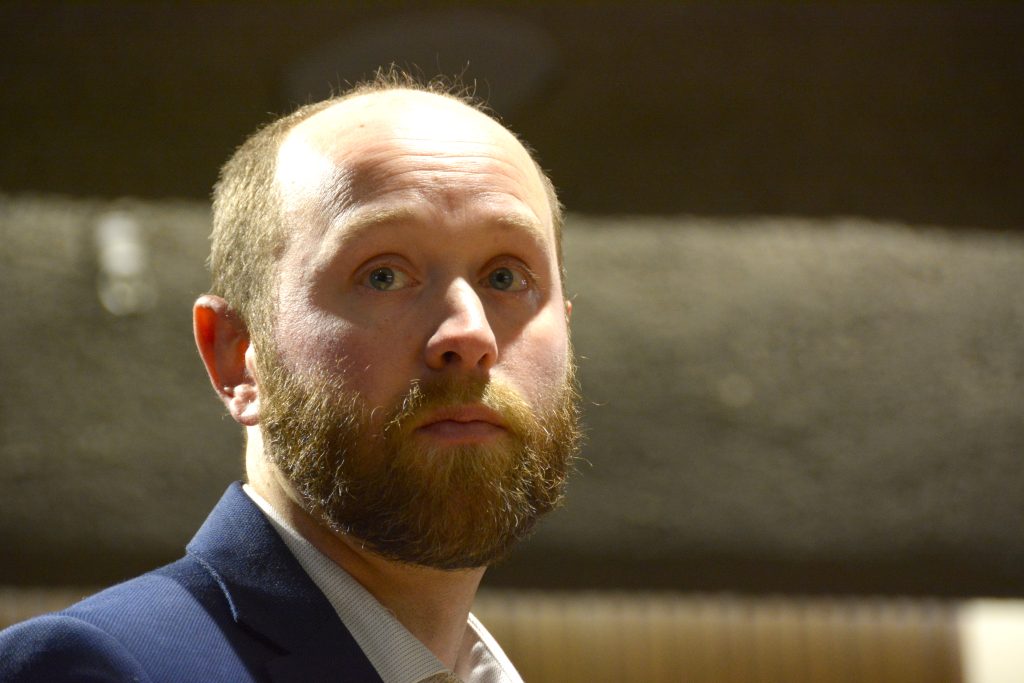
Gruber said Meeder Investment would be the city’s “eyes and ears” on state legislative changes when it comes to investments.
“We’re not operating outside of any confines there. Safety (for public investments) is No. 1 from our perspective. And then return on liquidity … or liquidity in yields.
“From our perspective, it’s just being able to adapt to the environment over the last couple years. If there’s anything we’ve learned, things can change very quickly. They certainly will likely change quickly in the future. So it’s best to be proactive and not have to be reactive when we’re seeing it in the market. This really just gives us all the options at our disposal and be able to react very quickly if we see some things change,” Gruber said.
Blankenship on Friday said with an investment portfolio worth millions of dollars, these changes can make a significant difference in returns.
“The policy we are asking City Council to consider is in line with what the state allows us to do and it will allow us to take advantage of opportunities we are currently not taking advantage of.”
As the city’s finance director, Blankenship is the chief fiscal officer of the city. She is tasked with collecting all taxes, assessments and monies due and also disbursing funds as authorized, selecting depositories and investing city funds.
“One of my duties is to seek all opportunities to increase revenue for the city. In the area of investments, it’s prudent to have your funds earning as much interest as possible while balancing maturity and diversity. This investment policy will allow the city to maximize interest earnings in this current economy,” she said.

