


MADISON TOWNSHIP — Don Money realized quickly that learning the software skills needed to push the right buttons on the computer was the easiest part of being a film editor.
“Once I learned the programs and what buttons to hit, I already had the story-telling piece, which is the one thing they can’t teach you at school. They can’t teach how you to tell a story properly,” the 1998 Madison High School graduate said Thursday afternoon.
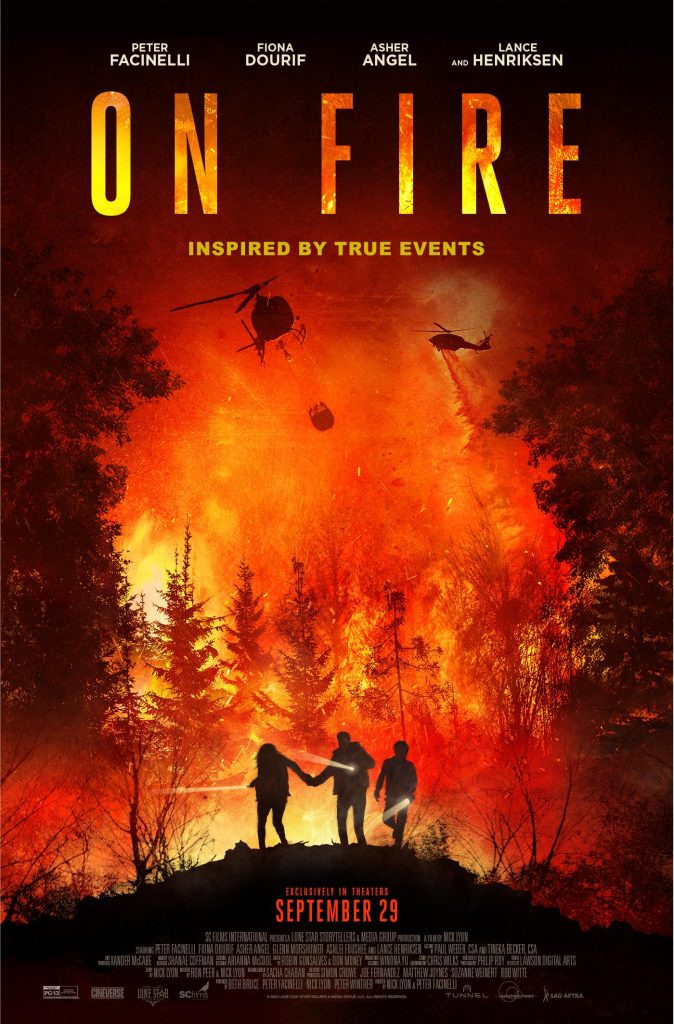
Money’s years of story-telling skills come to fruition on Friday when his newest editing project, “On Fire” opens with a limited release in movie theaters around the country, including Cinemark Ontario Towne Center on Walker Lake Road.
His mother, Beverly, still lives in Mansfield. She will be one of the first into the theater line when the box office opens in Ontario.
“She already has her ticket,” Money said with a laugh.
The film, written and directed by Nick Lyon, follows a rural family that gets caught up in a Northern California wildfire.
Based on a collection of true stories told by emergency first responders, survival becomes the family’s main objective as the inferno spreads across the mountain during 80 minutes of “On Fire.”

Experience, friendship matter
The new film, starring Peter Facinelli (Nurse Jackie), Fiona Dourif (Tenet), Asher Angel (Shazam!) and Lance Henriksen (Aliens), is the fifth time the 43-year-old Money has teamed up with his friend, Lyon.
“Once he had it up and running, he called me to see if it was available and thankfully I was,” said Money, who played basketball and soccer during his days at Madison High School.
It’s his 40th film project and Money said he was excited to work with his friend again after reading the script.
“Nick and I know each other so well and work together so seamlessly, it’s always a great experience when we create together.
“Secondly, the script was great and the story intrigued me because in the end, it wasn’t just about a family in peril. I’ve done that movie many times before.
“What I found interesting was that it bounced back and forth between the family and the danger, but also to the 911 call center and how the first responders were handling their town being engulfed in flames,” Money said.
He said people often focus on the victims of disasters when it comes to wild fires, earthquakes, floods, etc.
“We always tend to hear about the victims, the people and families directly affected that have lost everything, lost their homes, been injured, or in some cases, even lost their lives. But other than generically speaking, we don’t always hear about the emergency crews, first responders, firefighters, EMTs etc.
“So seeing what it was like for the people fielding the phone calls and how they handled the pressure and the panic of it all was very interesting to me. There is a fantastic element of humanity in that way of storytelling.
“Thirdly, the cast. Nick has assembled a really fantastic ensemble of incredibly gifted actors, whom I’ve loved in other things I had seen them in. So getting to edit a film with them in it was something I really looked forward to,” Money said.
No real fires allowed, of course
“On Fire” presented its own set of challenges from a visual effects and editing standpoint. No real fires could be set or even staged. B-roll type footage of real fires could be used in places.
Scenes had to be shot on location in Austin, Texas, with the idea of adding in visual effects during post-production. Money said the job was made easier because another friend of his, Joseph Lawson, handled the visual effects and was able to be on scene as the film was shot.
“He had an idea of what footage was being shot. We had some preliminary discussions about the film sequences. It became a constant dialogue to ensure I was setting him up for ultimate success down the road.
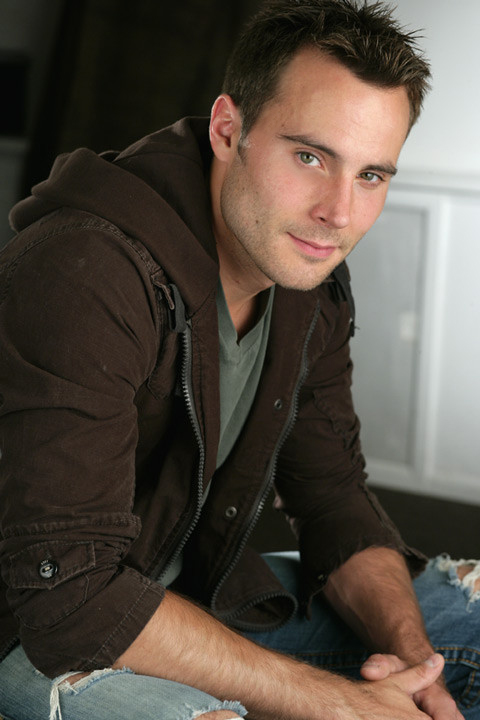
“There are scenes we used of actual fires mixed in with the visual effect shots,” said Money, aided by Robin Gonsalves in the four-month editing process. “You really can’t tell the difference.”
The fire was the “monster” of the movie, just as a tornado was in “Twister” and a shark was in “Jaws.”
“In this film, the fire is the bad guy. You have to make decisions. When do you show the bad guy? How often do you show it? How does it grow?” Money said.
“This was a challenge to balance the family and humanity of story telling and the visual effects portions of it,” he said.
Film is a salute to first responders
Money said the fire is the movie’s monster, but it’s really not about the searing flames.
“It’s about the family, the people in the 911 call center and the first responders. It’s a human story, not a fire story.
“I watched a ton of news clips and stories about real fires all around the world as I was editing the film. Stories about the people affected, stories about the heroic acts of the emergency crews – and it really just gave me such a sense of gratitude toward the people who spring immediately into action to help those in need,” Money said.
“It really takes a special person to keep calm in the eye of the storm, so to speak, and to have the willingness and courage to run straight into a disaster, when everyone is doing everything they can to run in the opposite direction,” he said.
Money said it was a rewarding challenge.
“We also had a really great team involved from top to bottom that was able to be supportive and meet every challenge head on. Making a film like this was incredibly difficult.
“It took a lot of work, and passion, and patience to craft it the way we wanted to, and that could only be done with a team of incredibly talented filmmakers who just wouldn’t stop until it was done,” he said.
From Madison Township to Hollywood
After graduating from high school, Money attended the University of Toledo, majoring in business and computers. But he also had a love for films, that began as a boy when he met some of the cast and crew when “Shawshank Redemption” was filmed in Mansfield in 1994.
While a student at UT, Money began working with a local agency there called Starbound Talent Group. After he graduated in 2002, Money moved to New York City, spending two years in a professional acting program at The New York Conservatory for Dramatic Arts.
“After that, I started auditioning and working my way up. I ended up getting a small part playing Rob Emerson on the soap opera ‘As The World Turns’ off and on for a year. I also co-starred on an episode of ABC’s primetime show ‘Cashmere Mafia’ and I got to be in ‘I Am Legend,’ as well.
Money also landed roles in independent films, short films and commercials. He also ended up on stage, which is where he met is wife, actress Emme Rylan, who has also appeared in several daytime soaps, including “Guiding Light” and “The Young and the Restless” and “General Hospital.”
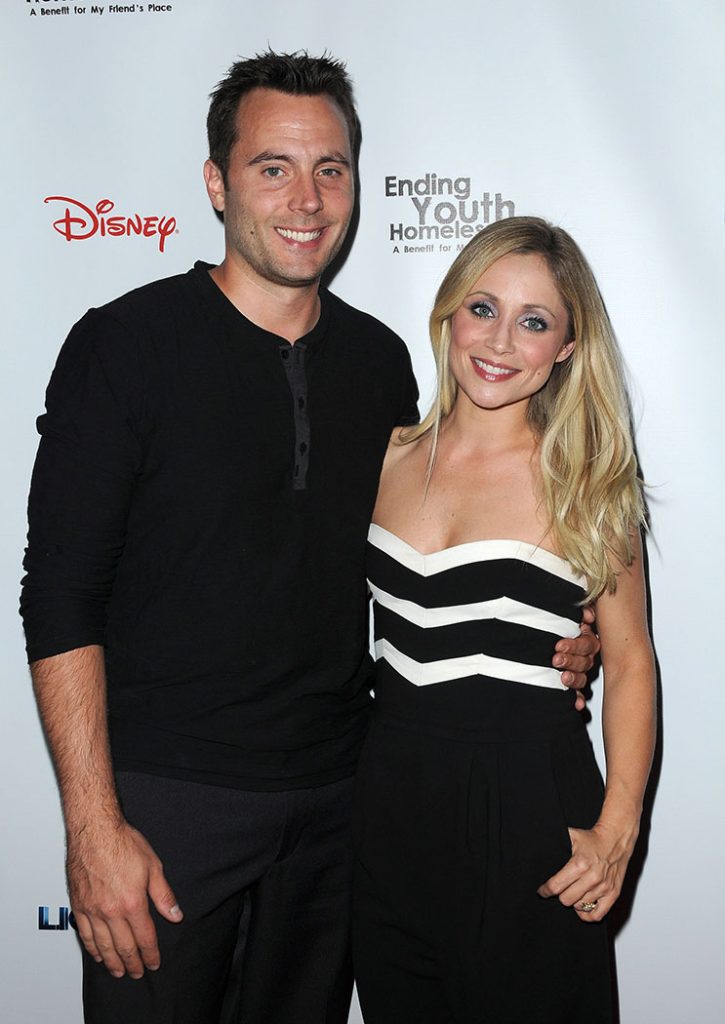
Money found he also developed a love for working behind the cameras after he and his wife relocated to Los Angeles.
“When I started editing, I found that I already had a very strong grasp on how to tell stories (from my acting training and my acting career), but also for what takes to use the actors’ performances.
“It’s kind of weird, but even though I don’t really act anymore, it’s like I still do, just vicariously through my cast members. I’m doing for them what I would’ve wanted my editor to do for me back in the day.
“When I read a script, I really can ‘see’ the story as I go. I can see all the beats in a scene, I can see how the scenes fit into the larger acts, and I can see how the acts fit into the story as a whole.
“And when it comes to going through the footage, I can pick up on things the actors’ are doing in their performances, and I can support those choices extremely efficiently and effectively given my background,” Money said.
‘On Fire’ is a timely film
Given wild fires around the world recently, including Canada and Hawaii this summer, the release of “On Fire” is timely, according to Money.
“Although it is about a wildfire that breaks out, at its core, it’s about the people involved more. The story about the humanity of it all, both from the victims and from the first responders perspectives, makes it a very engrossing survival drama, but in an incredibly humanistic way.
“In the end, what I love the most about the film is that we came up with something really special. It’s something that is basically a love letter and dedication to all the first responders and emergency crews, but also to those affected deeply by real life fires in the past.
“This film is for them, and I can’t wait to share it with the world.”
